
Wedding floral design in 2026 is shifting toward intention. Couples are prioritizing experiences over excess, and choosing florals that reflect who they are, not just what’s trending.
Rather than dramatic palettes or oversized arrangements, the focus is on sculptural shapes, subtle color stories, and thoughtful detail. Fragrance, movement, and emotion are beginning to matter just as much as scale and style.
While trends can be a helpful starting point, the most impactful designs are personal. In 2026, luxury means knowing what you love and making bold, clear choices that reflect that. Your flowers should feel like you.
Here are a few of the design directions florists are embracing for 2026, along with ways to make them feel honest, intentional, and your own.

Image sourced from Pinterest
1. Monochrome, Reimagined
Single-hue palettes are replacing bold mixes in 2026 floral trends, but the magic lies in texture over color. From grasses and fillers forming billowy, cloudlike shapes, to whispery garden roses and lisianthus, florists are telling nuanced stories with tone-on-tone palettes.
Instead of feeling flat, these monochrome stories create a rich and immersive world through contrast in structure, sheen, and softness.
This approach works particularly well across various elements of a wedding: ceremony arches, reception tablescapes, and statement bar pieces can each be dressed in layers of a single hue, creating cohesion and refinement without being predictable.
How to make it yours:
Choose a color rooted in memory: the oatmeal of a childhood linen, the lavender-gray of a favorite city at dusk. Then build a tactile world around that tone. Ask your florist to explore textural elements, rare seasonal blooms, and foliage varieties that fall within that color family, allowing the design to feel both unexpected and personal.
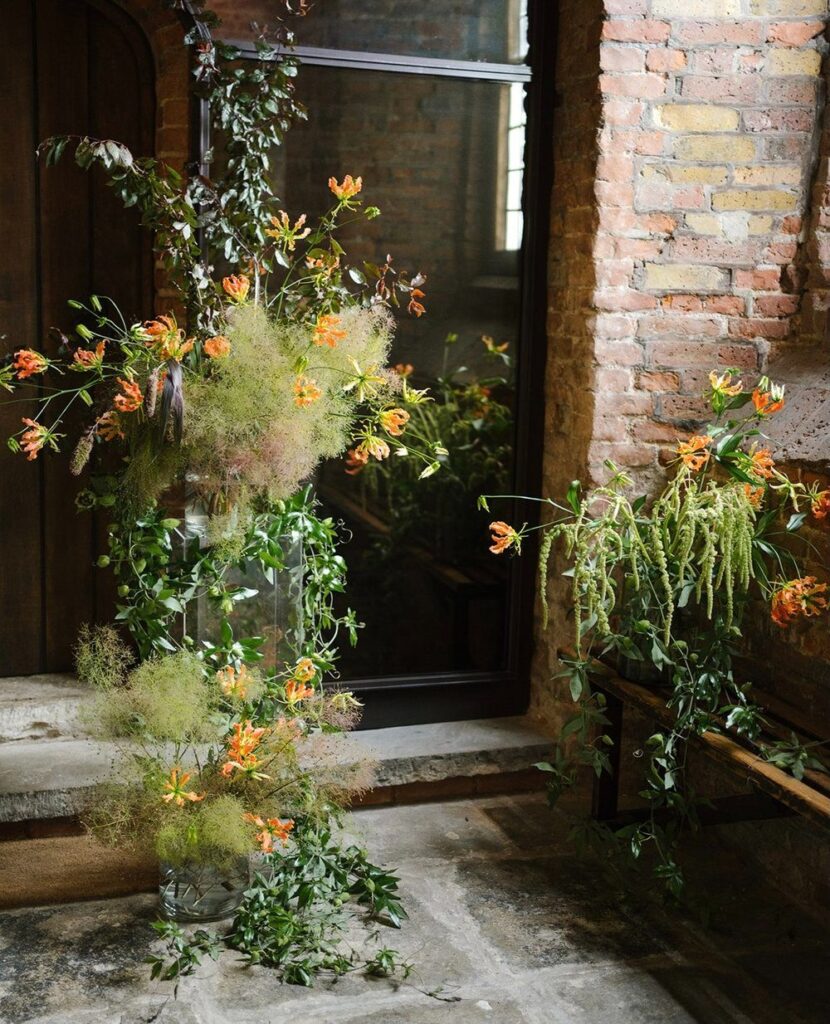
Image sourced from YINARI via Pinterest
2. Sculptural Installations with Space to Breathe
Sculptural florals are becoming a movement. According to The Wed, 2026 wedding floral trends are moving “away from sheer abundance toward form” and installations are now being treated as “art pieces rather than props.”
Statement pieces are designed to feel grown, not placed: arching branches, suspended stems, and negative space that invites the eye to pause.
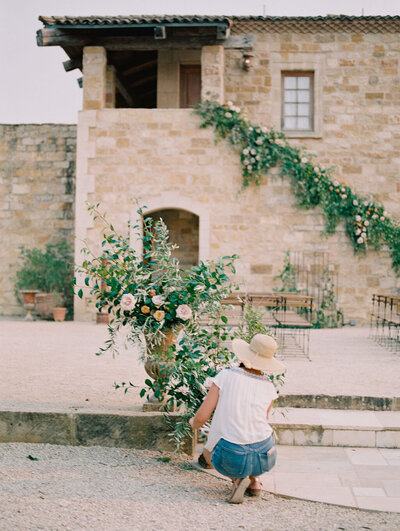
Rather than massive over-the-top arrangements, couples are leaning into one or two thoughtful installations that feel architectural. These might live as an asymmetrical altar that echoes the lines of your venue, a floating piece above your sweetheart table, or a staircase install that grows as if from the stone itself.
How to make it yours:
Ask your florist to design in harmony with your venue. A vaulted ceiling might call for a floating vine meadow; a modern space may suit a single, sculptural install built from unexpected stems like lotus pods or twisted branches. Incorporating non-floral elements such as gauzy fabric, branches, and even subtle lighting can also create dimension and drama without adding clutter.

3. Wildly Refined Bouquets
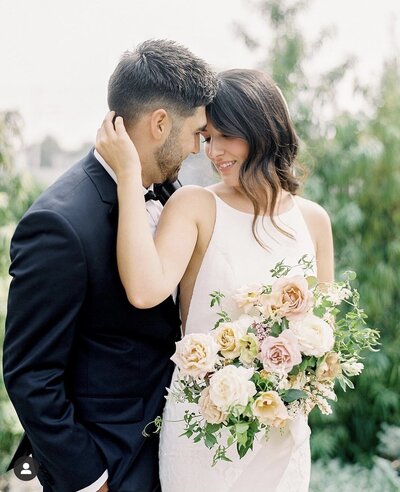
The bouquet continues to evolve as a bride’s most expressive accessory. In 2026, expect asymmetry, airiness, and movement. Think fritillaria, hellebore, or poppy pods peeking from more romantic forms.
Rather than following strict formality, these bouquets appear to shift in the breeze, echoing the personality of the bride herself.
Many brides are also opting for bouquets that feel lighter in hand but deeper in story. Smaller scale, thoughtfully composed, and with an emphasis on botanical diversity rather than sheer volume.
How to make it yours:
Rather than selecting flowers by name, describe a feeling. Whimsical, structured, nostalgic, poetic. Let your florist interpret that into shape and bloom. Include one or two unexpected textural stems that speak to your identity — a fragrant herb from your family garden, a climbing flower from your childhood fence, or something symbolic to your culture.

Image from Pinterest
4. Color as a Whisper, Not a Shout
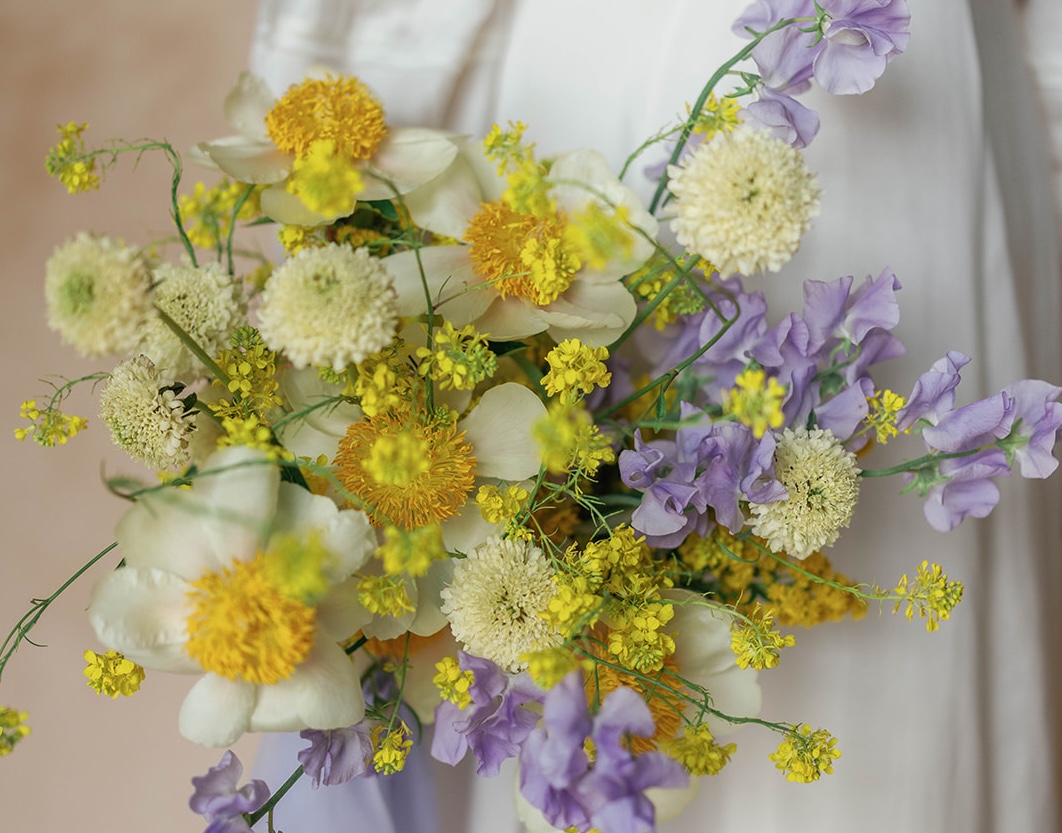
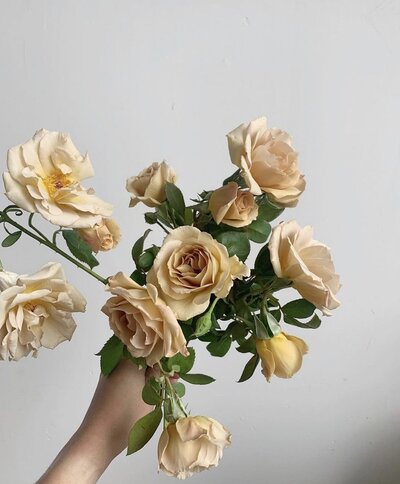
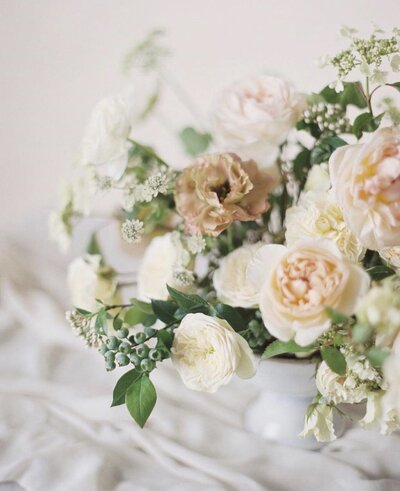
Bold hues had their moment. Now, color in wedding flower design leans subtle, emotional, and layered: buttercream yellow, sepia lavender, pale olive. The goal isn’t impact, but intimacy. These quieter palettes are especially well suited to layered garden-style arrangements and ceremony spaces that blend into the natural landscape.
Florists are also becoming more intuitive in how they use contrast — rather than pairing opposite colors, they’re layering near-tones: mauve with stone, blush with nude, sage with grey-blue. This creates designs that feel tonal and tailored, almost like couture.
How to make it yours:
Pull color cues from your story: a painting you both love, a sunset you watched together, the inside of a favorite shell. Let these guide your floral palette. Ask your florist to suggest seasonal blooms that fall within these hues and build around them using complementary tones in ribbon, linens, and even bridesmaids’ attire.

5. Florals as Immersive Experience
In 2026, wedding floral design goes beyond the visual. Couples are using flowers to surprise the senses, turning passive admiration into active participation. From scent-infused altars to edible floral garnishes, blooms are showing up in new places — and offering new meaning.
We’re seeing ceremony spaces filled with the scent of rosemary and sage, floral bars where guests can build their own mini bouquets, and welcome moments that feature personalized stems tagged with handwritten notes.
Even florals at the table are being designed to frame not just the plate, but the moment.
How to make it yours:
Invite your guests into your memories through scent or texture. Maybe it’s orange blossom to honor your heritage, or a flower your mother always kept in the house.
Think beyond the visuals and ask: how do I want people to feel when they enter this space? Then let your florist translate that emotion into flora.

6. A Return to Roots: Seasonal & Local
One of the most quietly beautiful wedding floral trends for 2026 is a return to seasonal, local blooms. The desire for sustainable, regionally-sourced flowers continues to grow but it’s seen less as a restriction and more as a creative advantage.
Flowers that are “of the moment” not only support local farms, they also tell a more grounded and romantic story.
Many florists are embracing the seasonal rhythm of their region, building recipes around what the earth is offering in real-time.
This shift not only ensures fresher flowers but also makes for more cohesive and meaningful storytelling. In other words, no more fighting for peonies in August.
How to make it yours:
Ask your florist what will be blooming on your date, in your region. You may discover a stem you’d never considered, but now can’t imagine your day without. This approach also offers your floral designer more freedom to source creatively, which almost always leads to more inspired results.

Let Trends Inspire Without Defining Your Floral Design
Let your flowers be your brushstroke. In a season where floral trends shift faster than ever, the most timeless thing you can do is pause, reflect, and design with heart.
At Mulberry & Moss, we believe floral design should feel artful, intentional, and deeply personal. While we stay in rhythm with what’s blooming in the world of design, our true joy lies in crafting florals that are timeless reflections of you.
Whether you find yourself drawn to the tones, textures, or philosophies emerging in wedding floral trends for 2026, the most important thing is to use them as starting points. The best floral design isn’t about following every trend, but about finding the thread that ties them back to you.
If you’re planning a wedding for 2026, we would be honored to bring your story to life through flowers. Learn more about working with us.








add a comment
+ COMMENTS